



Updated 5 October 2026
A stroller comes along for the moments that soon become everyday life: a quick trip to the shops, a long walk along a gravel path and the pick-up in the rain. Start there when choosing yours. How a stroller fits into your life tells you more than a long list of features.
This stroller guide helps you make sense of carrycots, seat units, different chassis and the practical details around them. You will also find a checklist to take to an Emmaljunga Partner and answers to common questions at the end.
Which stroller fits your everyday life?
Think about a typical week. Where do you walk, how do you get there and where does the stroller go when you get home? Write down three things it needs to do well. That might mean fitting into the lift, handling gravel paths comfortably or leaving room for the shopping in the car.
- City streets and public transport: look for easy steering, a width that works in the spaces you use and a fold you feel comfortable with.
- Gravel paths and longer walks: feel how the wheels and suspension handle uneven ground. Try more than a smooth shop floor.
- Frequent car journeys: try the whole process with the empty stroller, from folding it to loading the parts into the boot.
- A small hallway or stairs: plan where to store it and compare the size and weight of the parts you will actually need to handle.
- Several adults sharing the stroller: everyone should be able to walk naturally behind it and find a comfortable handle height.
A stroller can suit several settings. What matters is which features you will use every day and which compromises feel reasonable for your family.

Carrycot, seat unit, 2-in-1 pram: what is the difference?
A carrycot for the early months
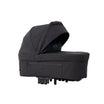
A carrycot gives a newborn a separate, flat surface to lie on, mounted on the chassis. Look at the space inside, the hood and how the parts will fit into your daily routine. Always follow the current carrycot instructions on when it can be used and when to stop using it. Age is only one consideration.
A 2-in-1 pram with separate units
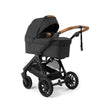
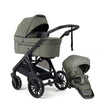
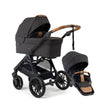
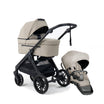
A 2-in-1 pram uses one chassis with a separate carrycot and, later, a seat unit. You swap the units when the time is right. Check what the package includes: the model name alone does not always tell you whether the carrycot, seat unit and accessories are included.
Strollers and travel strollers
A stroller is used with a seat unit in line with the model's instructions. A compact travel stroller can be a useful extra for trips or short errands. Compact folded dimensions alone do not tell you how it will feel on your usual walk, so try pushing it too.
To explore Emmaljunga's current options, read more about Carrycot+, the ERGO+ seat unit and the FLAT+ seat unit. Always check compatibility with your exact chassis and model year.

Wheels and suspension: try the surfaces you use
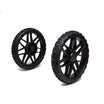
On pavements and in shops, you notice how easily a stroller turns. On gravel, uneven paths and cobblestones, wheel size and the feel of the suspension become more apparent. Larger wheels may be worth prioritising if those surfaces are part of your regular walks.
Ask an Emmaljunga Partner to show you how the wheels work and how to use any adjustments. Push forwards, turn and reverse. Also try the stroller with a load suitable for a demonstration in the shop.
In winter, the surface makes a real difference. Packed snow, slush and uncleared paths each present different challenges. No stroller makes every surface easy to cross. Choose passable routes and follow the instructions for use and care.

Measure your car, lift and hallway space
Get the tape measure out before you decide. Measure the lift doorway, the narrowest passage at home and the opening of your car boot. Product specifications often list several sets of dimensions. Check whether they include the wheels and seat unit.
Try the stroller in your own car if you can. The shape of the boot and the height of its loading lip affect how easy it is to load, even when the measurements look right on paper. Think about what else needs to fit: the carrycot, a bag, shopping or an older child's belongings.
After a demonstration in the shop, try folding and handling the empty stroller yourself. Compare the weight of the parts you need to move, rather than relying on the chassis weight alone. If you have stairs, plan a practical place to store the stroller before buying.

Which Emmaljunga stroller should you choose?
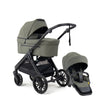
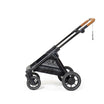
Start with the chassis and how it feels to push. Then choose the carrycot and seat unit combination that suits you. These models are useful starting points in the range.
SENTO: light and easy to manoeuvre
SENTO is a good first model to try if easy handling is high on your list. See how it works in your narrow spaces, on everyday errands and when packing the car.
SENTO PRO: larger wheels on an agile chassis
SENTO PRO is worth comparing with SENTO if your walks often take you from pavement to gravel. Try both and see which wheels you prefer on the surfaces you use most.
SENTO MAX: robust and stable
SENTO MAX is an option for those who value a robust, stable feel on their walks. Try the chassis and check that the folded stroller works with your car and storage space at home.
See the combinations currently available in our stroller range and use the model comparison when you are ready to look at the details. Models and configurations may vary by market.

ERGO+ or FLAT+: which seat unit suits your family?
The seat units have different designs. ERGO+ has a shaped, ergonomic seat. FLAT+ is the classic seat unit with a flat recline position. A seat that reclines flat does not automatically replace a carrycot for a newborn. Follow the age and usage requirements for the specific unit.
Try both at an Emmaljunga Partner. Look at the seat space, hood and footrest, and how the seat unit affects the stroller's size when storing it. Ask for a demonstration of the controls and harness, and check the approved chassis combinations. This makes the choice easier than comparing pictures alone.

Double and twin strollers: planning for two children
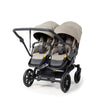
With two children, each needs a place that suits their size and stage of development. Double SENTO is a side-by-side option. Bring the measurements of your lift, front door and car when you try it.
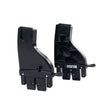
If you are considering another arrangement for siblings or an accessory for an existing stroller, ask an Emmaljunga Partner to check the complete combination. The chassis, model year, carrycot, seat unit and adapter must work together in line with the instructions. Do not buy an adapter simply because the name looks right.
Think about when both children will actually need to ride. Twins may have different needs from a younger child and an older sibling.

Accessories, budget and what is included
Ask for a clear breakdown of the package. Include the parts and accessories you will use from the start, and separate them from anything you can add later.
- A compatible carrycot, seat unit and chassis combination
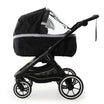
- A raincover designed for the model and other accessories for the season
- Any adapters, with compatibility checked first
- Space for everyday belongings within the shopping basket's load limit
- Servicing, spare parts and who to contact if something needs attention
If you want to use an infant car seat on the chassis, both the car seat and adapter must be approved for that exact combination. Check the current instructions before buying.
Compare the total price of a combination that meets your needs. Take the time to try a stroller you will enjoy using and can get support for.
Take this checklist to an Emmaljunga Partner
- Describe your walks. Talk about the surfaces you use, your car, public transport, stairs and storage.
- Try how it feels to push. Turn, reverse and walk at your normal pace. Let everyone who will regularly use the stroller try it.
- Check the dimensions. Compare them with your lift, doorways and car boot.
- Try folding it. Ask for a demonstration first, then try it yourself with the empty stroller.
- Compare the units. Look at the carrycot and both seat unit designs, rather than only the one on the nearest display.
- Go through the package. Confirm which parts and accessories are included and which combinations are approved.
- Ask about the next steps. Check the delivery time, collection options, a demonstration at handover and where to go for servicing.
Find an Emmaljunga Partner to see and try the strollers. They can help you compare the options around your family's needs.
Caring for your stroller
Emmaljunga has stood for Swedish quality since 1925. As an owner, you also see that value in practical ways: being able to get advice, find the right spare part and understand how to care for your stroller.
Follow the washing and care instructions for your specific fabrics, wheels and chassis. Let wet parts dry before putting the stroller away. Ask an Emmaljunga Partner for help if something works differently or a part is damaged. This is especially important before putting a second-hand stroller back into use.
Keep the model details and the correct instruction manual. This guide helps you choose; the manual tells you how to assemble, use and care for your stroller.

Common questions about strollers
Answers to the questions that often come up before buying and during your first months with a stroller.
Which stroller is best?
The one that works for your walks, your home and the people who will push it. Start with your three most important requirements, such as room in the car, ease of use in the lift and handling on gravel. Then try two or three options. An award winner or a friend's favourite may not suit your everyday life.
What kind of pram does a newborn need?
Choose a combination with a carrycot, or another setup that the model's instruction manual explicitly approves for newborns. Check that the parts fit the chassis. A seat unit with a flat recline position is not, on its own, confirmation that it can be used from birth.
What is a 2-in-1 pram?
A 2-in-1 pram uses the same chassis with two separate units: a carrycot and a seat unit. You swap the units when the time is right, following the instructions for each. Check whether both units are included in the package you are considering.
What is the difference between a 2-in-1 pram and a combination pram?
A 2-in-1 pram usually has separate carrycot and seat units, while a combination pram may use a soft carrycot inside the seat unit. These terms are not always used consistently. Ask which parts are actually included and how that particular pram is approved to be used.
When should I switch from the carrycot to the seat unit?
Follow your child's development and the instructions for both units, rather than age alone. The carrycot may have several limits that determine when to stop using it. The seat unit has its own requirements. Ask an Emmaljunga Partner to explain them before you make the change.
How long can my child use the stroller?
That depends on the limits for the specific model and seat unit, as well as how your child fits. Check the permitted load and the other usage requirements in the instruction manual. A general age range on a comparison page does not replace those details.
How do SENTO, SENTO PRO and SENTO MAX differ?
SENTO is a light, easy-to-manoeuvre starting point for everyday use. SENTO PRO has larger wheels on an agile chassis. SENTO MAX has a more robust, stable feel. Try how they handle and compare the dimensions of the exact chassis and carrycot or seat unit combination you are considering.
Which stroller suits gravel paths and woodland walks?
Look at the wheels, suspension and how the stroller feels on uneven paths. SENTO PRO and SENTO MAX are worth comparing if you often walk on gravel. Choose passable walking routes and try the stroller on a surface similar to the ones you normally use.
Which stroller is best for the city?
Prioritise easy steering and a size that fits the places you go. Measure your lift and narrow passages, and consider how it will work on bus journeys and in storage. SENTO is a good model to start with when easy handling matters most.
How do I know whether the stroller will fit in my car?
Check the folded dimensions and which parts those measurements include. Then try the empty stroller in your own car, ideally with the carrycot or seat unit you plan to use. Remember to leave room for the rest of your luggage.
Which weight should I compare when choosing a stroller?
Compare the same set of parts. Chassis weight, weight with wheels and total weight with a seat unit are different measurements. Focus on the parts you will need to move day to day, and try handling the empty stroller after a demonstration.
What is the difference between ERGO+ and FLAT+?
ERGO+ has a shaped, ergonomic seat. FLAT+ has a classic design with a flat recline position. Try both and compare the seat space, features and storage needs. Follow the usage requirements for each seat unit and ask an Emmaljunga Partner to show you how it works.
Should my child face me or face forwards?
Choose a seat unit approved for the directions you want to use. Check how it is fitted and which usage requirements apply. Let your child's needs and your experience on walks guide the choice, and ask an Emmaljunga Partner to demonstrate the options.
Can I use an infant car seat on the stroller?
Only if the car seat, adapter and chassis are approved for that exact combination. The model name and model year matter. Ask an Emmaljunga Partner to check compatibility, and follow the instructions for both the car seat and the stroller.
Will an older carrycot or seat unit fit a new chassis?
The brand alone does not tell you. The model, model year and attachment system must be compatible. Take the product details and, if possible, photos to an Emmaljunga Partner so the combination can be checked before you buy or use the parts.
Which stroller should we choose for twins or siblings?
Start with the children's needs and measure the width of your doors and lift. Double SENTO is a side-by-side option. Check the carrycot and seat unit combination you plan to use, how it fits in the car and what each position is approved for.
When is a good time to buy a stroller?
When you have time to try it and can confirm delivery before you plan to start using it. Availability may vary between models and colours. Ask an Emmaljunga Partner about current stock, delivery and a demonstration when you collect it.
What is usually included when buying a stroller?
This varies between products and packages. Check the chassis, wheels, carrycot, seat unit and accessories individually. Ask for a written breakdown so you can compare complete options and know what you may need to buy separately.
Which accessories do we need from the start?
Start with the season and the walks you plan to take. A suitable raincover and the parts you will use straight away are sensible things to check first. Always make sure accessories are intended for the model and follow the instructions. You can add many things later, once you know what you need.
What should I check on a second-hand stroller?
Find out the model and model year, get the correct instruction manual and check that the parts belong together. Inspect the condition and functions, including the wheels, brake, harness and attachments, following the instructions. If there is damage, missing parts or an uncertain history, ask an Emmaljunga Partner to assess the stroller before use.
Can I collect my stroller from an Emmaljunga Partner?
Collection options depend on the market, product and chosen Emmaljunga Partner. Check which options apply to your order. Ask about assembly and a demonstration of the features when you collect it.
Where can I find instruction manuals, servicing and spare parts?
You can find manuals on our instruction manuals page. Make sure you choose the correct model and version. An Emmaljunga Partner can help with model details, servicing questions and checking which spare parts fit. Find an instruction manual or find an Emmaljunga Partner.

Leave a comment
This site is protected by hCaptcha and the hCaptcha Privacy Policy and Terms of Service apply.